the game
How to Play Drift
Words don't mean what they used to. Drift is a daily word history game where you guess what a familiar modern word meant centuries ago.
How it works
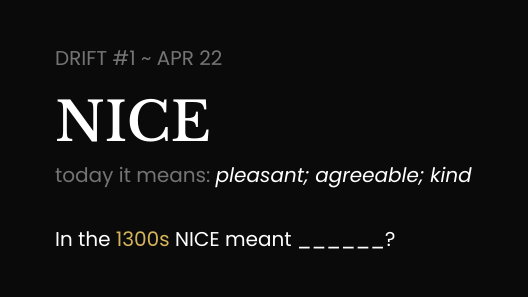
A familiar word appears
Each day, a common modern word is revealed at the top of the board — along with what it means today. Your job is to figure out what it used to mean centuries ago.
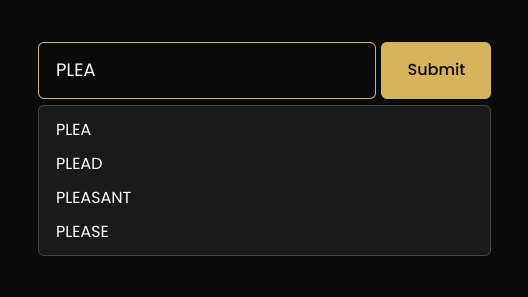
Type your guess
Think about the word's roots, similar languages, or just your gut feeling. Type a single word that you think captured its old meaning and hit Submit.
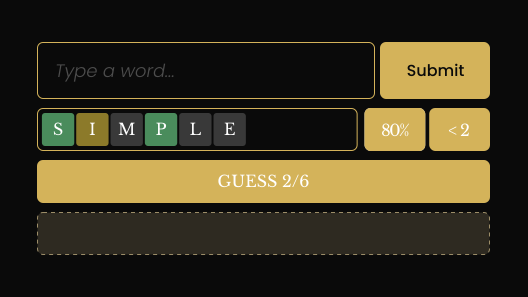
Read the feedback
Green = correct letter and position, yellow = correct letter but wrong position, grey = not in the answer. Each guess also shows a semantic similarity score (e.g. 80%) and a length hint: <2 : answer is 2 letters shorter, >1 : 1 longer, = : same length. The keyboard tracks used letters.
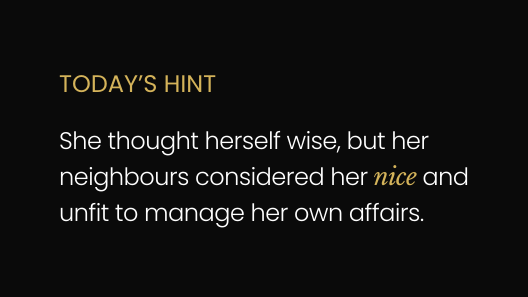
Use the hint if you're stuck
Tap 'Use Hint 💡' to reveal a real historical sentence containing the word — exactly as it was used at the time. The context will guide you toward the right era and meaning.
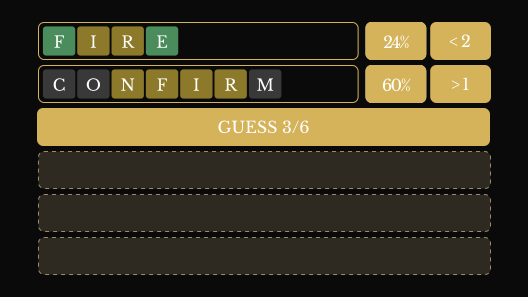
Keep guessing — up to 6 tries
You have six guesses to find the answer. Each wrong guess gives you more letter and semantic information. Use the colour feedback and the similarity scores together to zero in on the right word.
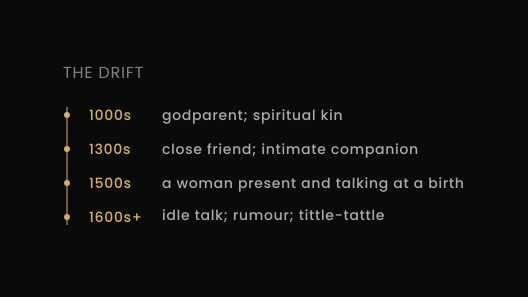
Discover the drift
Win or lose, you'll see the full etymology — the historical meaning, when it changed, and the fascinating journey from its origins to today. A new word drifts in every day.
Scoring
🟩⬜⬜⬜⬜⬜
Extraordinary — you cracked it first try
🟩🟩⬜⬜⬜⬜
Impressive etymological instinct
🟩🟩🟩⬜⬜⬜
Solid — the clues guided you well
🟩🟩🟩🟩⬜⬜
Getting there — keep exploring
🟩🟩🟩🟩🟩⬜
Almost effortless — one to spare
🟩🟩🟩🟩🟩🟩
Squeaked through on the last try
🟥🟥🟥🟥🟥🟥
The word got away — try again tomorrow
Tips for new players
- →Look at the modern meaning — the historical one is often a surprise, but it's always connected by logic.
- →Think about related words in other languages. Many English words share roots with French, Latin, or German cognates that kept the old meaning.
- →The hint sentence is your best clue — the word in context tells you the era and emotional tone instantly.
- →Guesses don't have to be synonyms of the answer. Any real English word works — the letter feedback will guide you.
- →After each puzzle, read the etymology note. That's where the real discovery happens.